The project
A place where the training and the work are the same thing.
Classrooms, workshops and labs, sitting alongside farms, kitchens, shops and services that have to make money to keep the lights on.
What is on site
A working village, not a campus
Learners live here for the length of their course. Everything they need is within walking distance, and nearly all of it is something they help run.
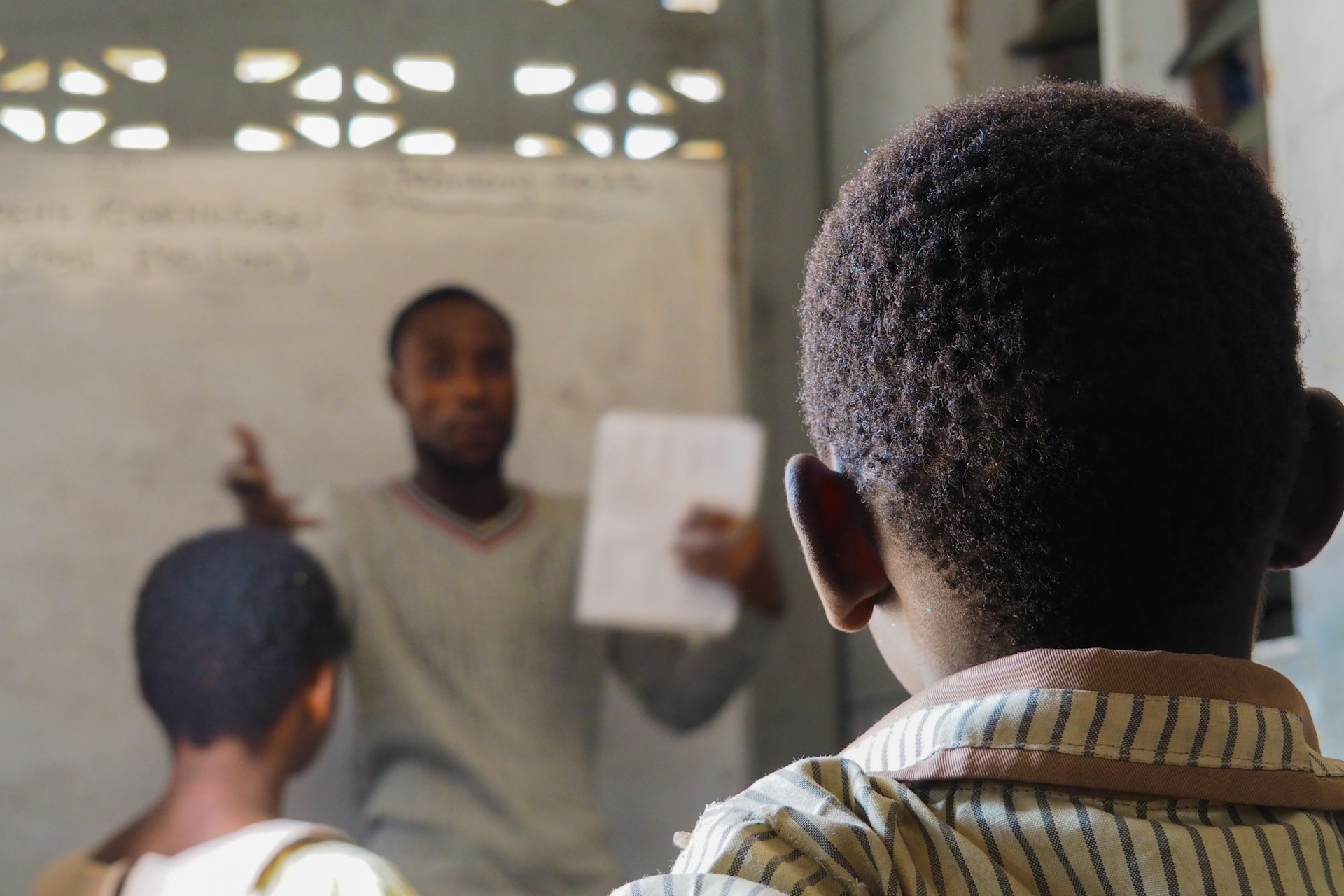
Classrooms & labs
Teaching space for the theory that a trade genuinely requires — measurement, safety, costing, electronics — plus computer and science labs.
Workshops
Fabrication, mechanics, carpentry, electrical and building trades, kitted out to the standard a paying customer would expect.
Farms & growing
Crops, livestock and irrigation that feed the village and sell the surplus. Agriculture as a business, taught as a business.
Food outlets & retail
Kitchens, a bakery, a shop. Real customers, real tills, real stock control — the fastest way to learn what a margin is.
Residential housing
Accommodation pods for learners and staff, built to be low-cost, low-energy and maintained by the trades being taught on site.
Health & wellbeing
A clinic, sports and quiet space. Young people a long way from home need somewhere to be looked after.
Training
Skills you can charge money for.
Every programme is chosen against one test: will this let a young person earn a living within a year of finishing? That rules a lot of things in, and a few popular things out.
- Accredited trades — recognised qualifications, so the certificate travels
- Enterprise and business — costing, pricing, records, tax and how to get paid
- Agriculture and food production — growing, processing, storing and selling
- Technology and innovation — from basic computer literacy to repair and applied electronics
- Environmental practice — water, waste, energy and land management, taught as a trade skill
Assessment is practical. If the work is good enough to sell, it passes.
Sustainability
A remote site cannot afford waste.
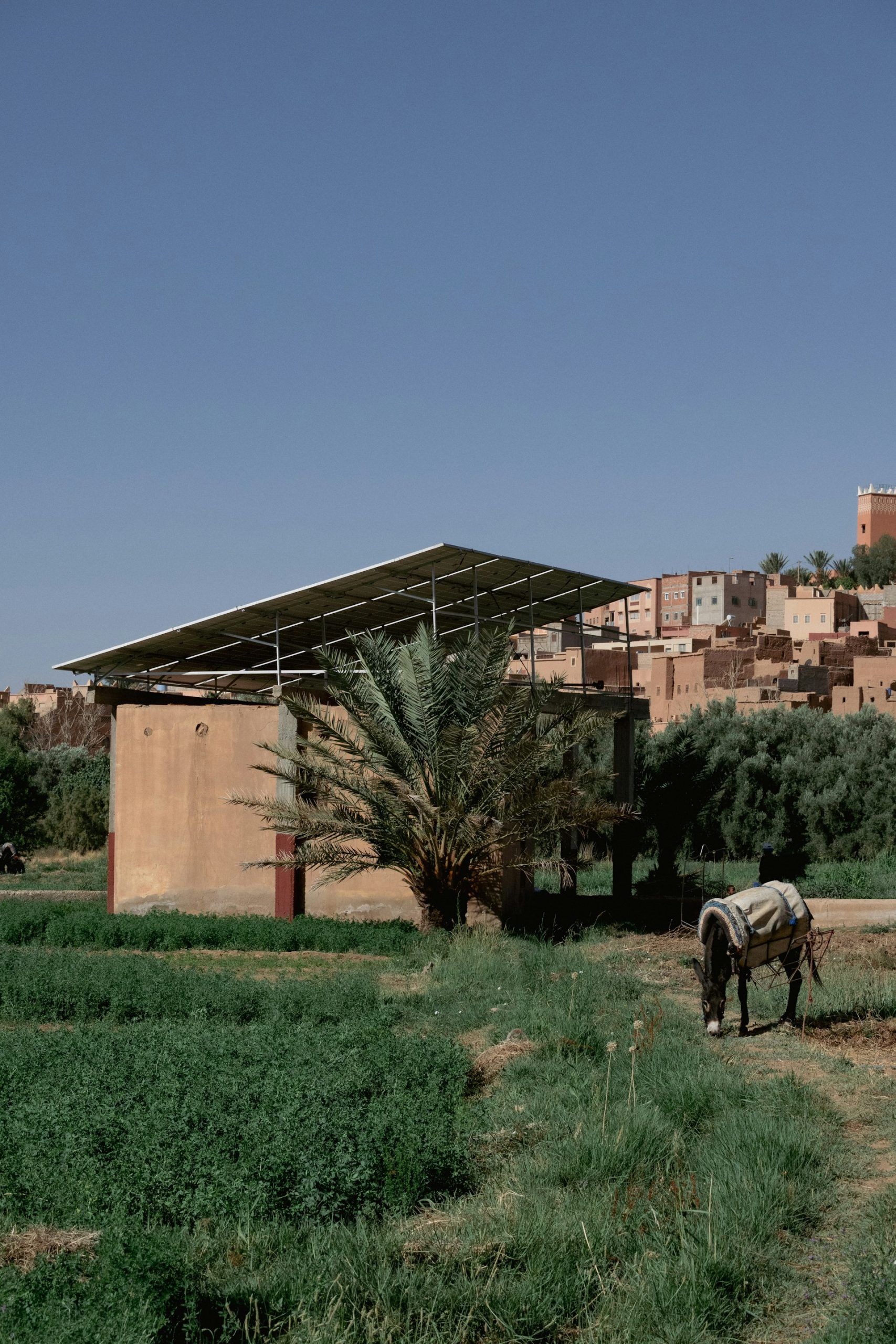
The environmental design is not a badge. Out here, water you do not recycle is water you have to haul, and power you do not generate is power you do not have.
- Solar generation with storage, sized to run the workshops
- Rainwater harvesting, greywater reuse and drip irrigation
- Organic waste composted back into the farms
- Buildings using local materials and passive cooling
- Tree planting and soil recovery across the site
Learners maintain all of it, which means every one of them leaves knowing how it works.
How it pays for itself
Built once, then self-funding
Friends and founding partners fund the build. After that, the village is designed to cover its own running costs.
-
Capital phase
Land, infrastructure, buildings and equipment — funded by donations, sponsorship and partner organisations.
-
Trading units come online
Farm produce, workshop commissions, bakery and retail begin selling into the surrounding area.
-
Operating costs covered
Trading income pays staff, utilities and materials, so training stays free or near-free at the point of use.
-
Surplus funds growth
Anything left over expands intake, improves facilities, or seeds the next village elsewhere.
None of it happens without Friends.
The capital phase is where you come in.